
David Liebman
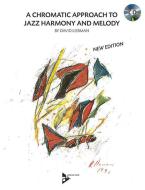
A Chromatic Approach To Jazz Harmony and Melody
(CD-Set)

Dimostrazione
ascoltare
PDF
vista
David Liebman
A Chromatic Approach To Jazz Harmony and Melody
(CD-Set)
- Formazione Improvisazione
- Compositore David Liebman
- Edizione strumento e online audio
- Casa Editrice Advance Music
- Numero d'ordine ADV14216
 disponibile
sarà spedito in 1-2 giorni lavorativi
IVA inclusa,
Escluse le spese di spedizione
Non disponibile in tutti i Paesi. Saperne di più

Descrizione:
Revised Edition 2006
This book should be seen as a method to help the artist to develop his or her own way when trying to improvise chromatically. Through the concepts and examples offered, the improvisor should be able to use this material alongside already familiar tonal ideas. Specifically, the book serves as a guide for organizing chromaticism into a coherent musical statement meant to satisfy both the intellectual and emotional needs of artistic creation.
The reader will be introduced to more than one way of conceiving chromatic lines and harmonies. There is nothing theoretically complex or new in the text, it is the organization of the material as well as many musical examples and transcriptions (Bach, Scriabin, Coltrane, Shorter, Hancock, Beirach, Liebman a.o.) which should serve to inspire musicians to expand their usual diatonic vocabulary.
This book also provides insight into the style of playing that David Liebman is known for. In addition the book contains 100 assorted solo lines and 100 chord voicings.
This book should be seen as a method to help the artist to develop his or her own way when trying to improvise chromatically. Through the concepts and examples offered, the improvisor should be able to use this material alongside already familiar tonal ideas. Specifically, the book serves as a guide for organizing chromaticism into a coherent musical statement meant to satisfy both the intellectual and emotional needs of artistic creation.
The reader will be introduced to more than one way of conceiving chromatic lines and harmonies. There is nothing theoretically complex or new in the text, it is the organization of the material as well as many musical examples and transcriptions (Bach, Scriabin, Coltrane, Shorter, Hancock, Beirach, Liebman a.o.) which should serve to inspire musicians to expand their usual diatonic vocabulary.
This book also provides insight into the style of playing that David Liebman is known for. In addition the book contains 100 assorted solo lines and 100 chord voicings.
I clienti hanno valutato questo prodotto:
Informazioni del Produttore:
Advance Music
Weihergarten 5
55116
Mainz
Deutschland
Prodotti correlati:
- Improvisazione
- strumento e online audio
- Advance Music
-
disponibile
sarà spedito in 1-2 giorni lavorativi - Con lievi segni d'uso
Altri clienti hanno acquistato anche:

Mike Carubia, Jeff Jarvis
Audition/Performance Etudes Based on the Chord Progressions to Popular Standards
- sassofono contralto
- spartiti e online audio
-
disponibile
sarà spedito in 1-2 giorni lavorativi - Disponibile anche per il download!

- sassofono
- spartiti
- Peter Blair
-
disponibile
sarà spedito in 1-2 giorni lavorativi

- Improvisazione
- strumento e cd
-
disponibile
sarà spedito in 1-2 giorni lavorativi

- sassofono contralto
- spartiti e cd
-
disponibile
sarà spedito in 1-2 giorni lavorativi

- sassofono contralto
- spartiti e cd
-
disponibile
sarà spedito in 1-2 giorni lavorativi


Bill Evans
- pianoforte
- spartiti per scaricare
-
immediatamente disponibile
Scarica subito dopo l'ordinazione

- Teoria musica generale/armonia
- libro
-
sarà spedito 1-2 settimani
Ed Friedland
- basso elettrico
- spartiti e online audio
-
disponibile
sarà spedito in 1-2 giorni lavorativi

- pianoforte
- spartiti e online audio
-
sarà spedito in 3-6 giorni lavorativi

- Improvisazione
- libro e cd
-
sarà spedito in 4-8 giorni lavorativi
- Accessori musicali
- gioco
-
sarà spedito 2-4 settimani

- Improvisazione
- libro
-
sarà spedito in 4-8 giorni lavorativi
- Disponibile anche per il download!





- Improvisazione
- spartiti
-
disponibile
sarà spedito in 1-2 giorni lavorativi
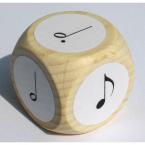
mit Achteln, Vierteln sowie deren Pausen
- Accessori musicali
- gioco
-
disponibile
sarà spedito in 1-2 giorni lavorativi

- Accessori musicali
- gioco
-
sarà spedito 2-4 settimani