
Jacob Gade, Carlos Gardel, Eduard Pütz, Sebastian de Yradier
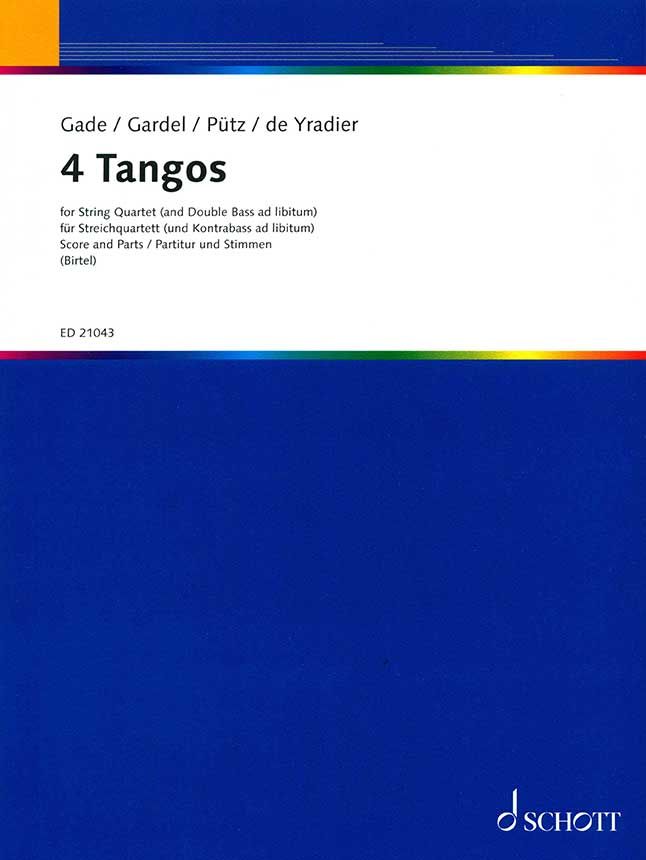
4 Tangos
for String Quartet (and Double Bass ad lib.)

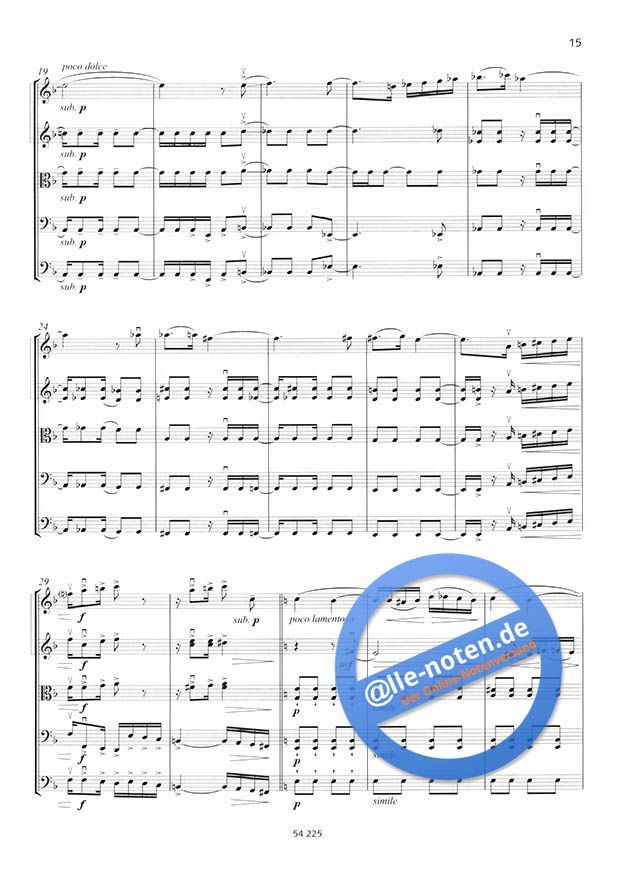
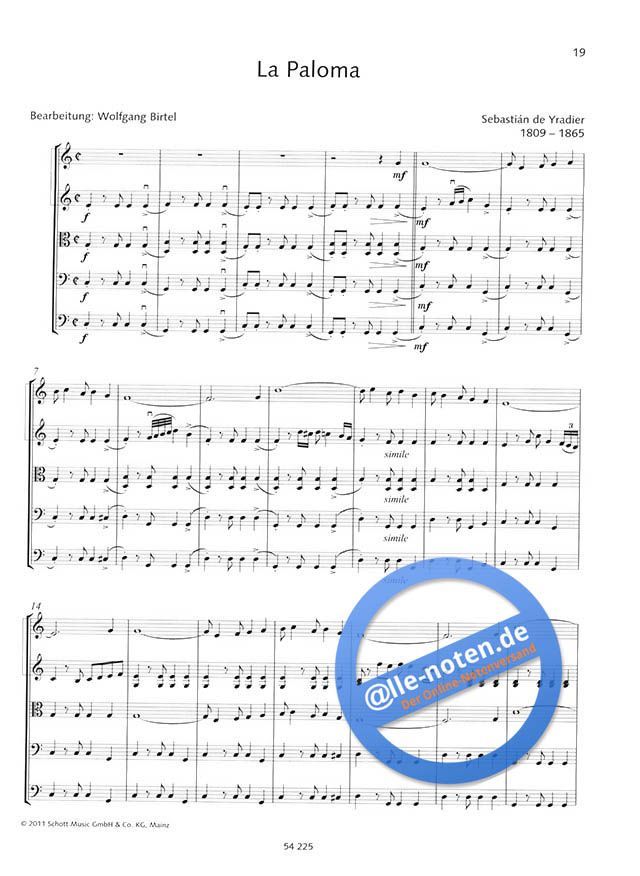
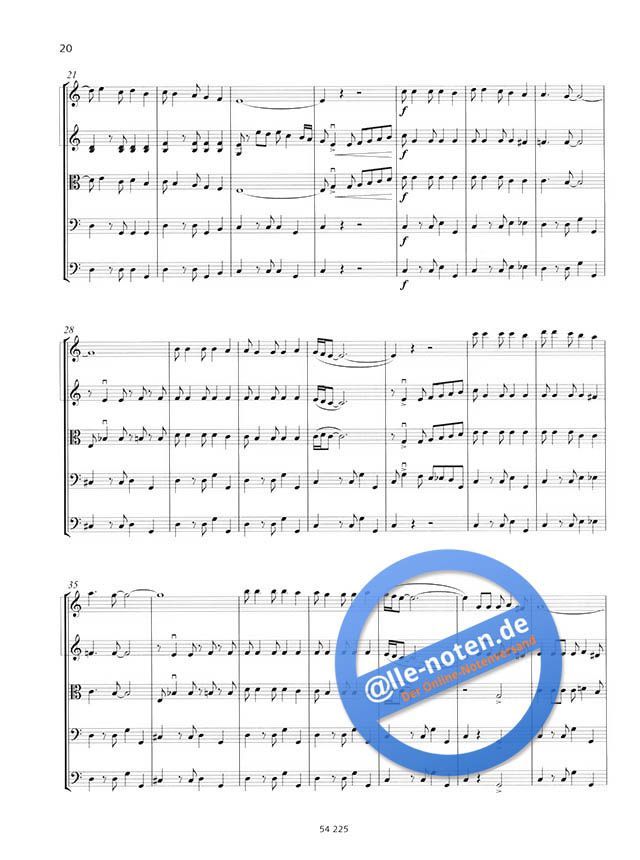
Jacob Gade, Carlos Gardel, Eduard Pütz, Sebastian de Yradier
4 Tangos
for String Quartet (and Double Bass ad lib.)
- Formazione quartetto d'archi (2 violini, viola e violoncello)
- Formazione opzionale quintetto d'archi (2 violini, viola, violoncello e contrabbasso)
- Compositore Jacob Gade Carlos Gardel Eduard Pütz Sebastian de Yradier
- Editore Wolfgang Birtel
-
Difficoltà
- Edizione partitura e parti
- Casa Editrice Schott Musik
- Numero d'ordine ED21043
 disponibile
sarà spedito in 1-2 giorni lavorativi
IVA inclusa,
Escluse le spese di spedizione
Non disponibile in tutti i Paesi. Saperne di più

Descrizione:
Tango - a dance, a music genre, an awareness of life, 'a sad thought that can be danced' (according to a tango composer). The terms and definitions are as varied as the range of styles of the works.
The present volume deliberately presents four entirely different characters: 'Jalousie' by the Danish composer Jacob Gade which probably is the best-known dance tango; 'Mi Buenos Aires Querido', a work by the classical Argentine composer Carlos Gardel; 'Tango appassionato' by Eduard Pütz, a 'tango nuevo' in the tradition of Astor Piazzolla; and finally, 'La Paloma' by Sebastián der Yradier, a tango arrangement of the title that, according to GEMA, is the most popular melody of the 19th century.
The arrangements for string quartet are melodious and easy to play, a delight for both performers and audience alike.
A double-bass part (ad libitum) is included to complement the sound.
The present volume deliberately presents four entirely different characters: 'Jalousie' by the Danish composer Jacob Gade which probably is the best-known dance tango; 'Mi Buenos Aires Querido', a work by the classical Argentine composer Carlos Gardel; 'Tango appassionato' by Eduard Pütz, a 'tango nuevo' in the tradition of Astor Piazzolla; and finally, 'La Paloma' by Sebastián der Yradier, a tango arrangement of the title that, according to GEMA, is the most popular melody of the 19th century.
The arrangements for string quartet are melodious and easy to play, a delight for both performers and audience alike.
A double-bass part (ad libitum) is included to complement the sound.
-
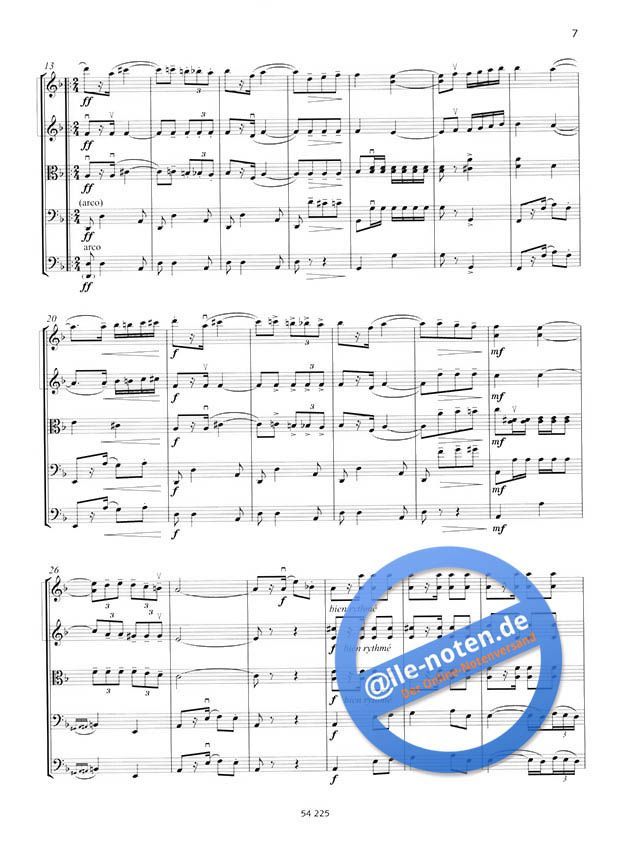
Jacob Gade Jalousie. Tango Tzigane
-
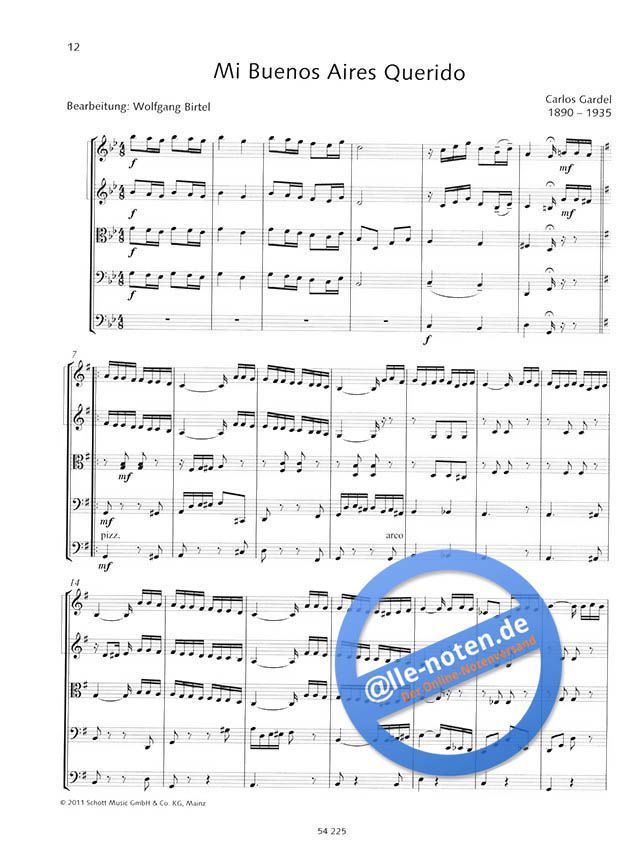
Carlos Gardel La Paloma
-
Eduard Pütz Mi Buenos Aires querido
-
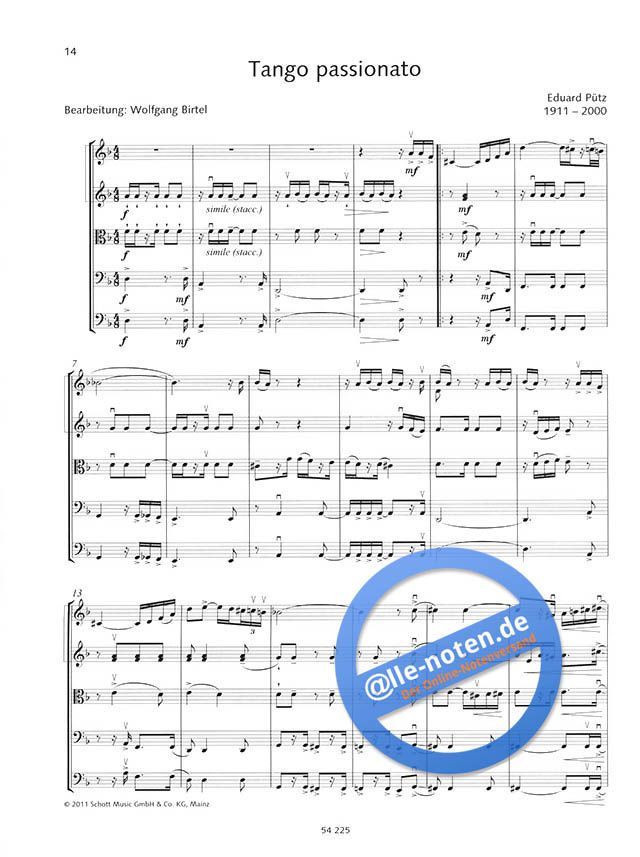
Sebastian de Yradier Tango passionato
Prodotti correlati:
I clienti hanno valutato questo prodotto:
Informazioni del Produttore:
Schott Music GmbH & Co. KG
Weihergarten 5
55116
Mainz
Deutschland
Altri clienti hanno acquistato anche:
- violino e orchestra d'archi
- partitura e parti
- Robert Longfield
-
disponibile
sarà spedito in 1-2 giorni lavorativi - Disponibile anche per il download!

- Quintetto d'Archi
- partitura e parti per scaricare
- Wolfgang Birtel
-
immediatamente disponibile
Scarica subito dopo l'ordinazione
for String Quartet or String Orchestra (medium)
- Quintetto d'Archi
- spartiti
-
sarà spedito 2-4 settimani
- salon orchestra
- spartiti
-
sarà spedito in 2-4 giorni lavorativi
- quintetto d'archi (2 violini, viola, violoncello e contrabbasso)
- partitura e parti
- Frédéric Quinet
-
sarà spedito 2-4 settimani
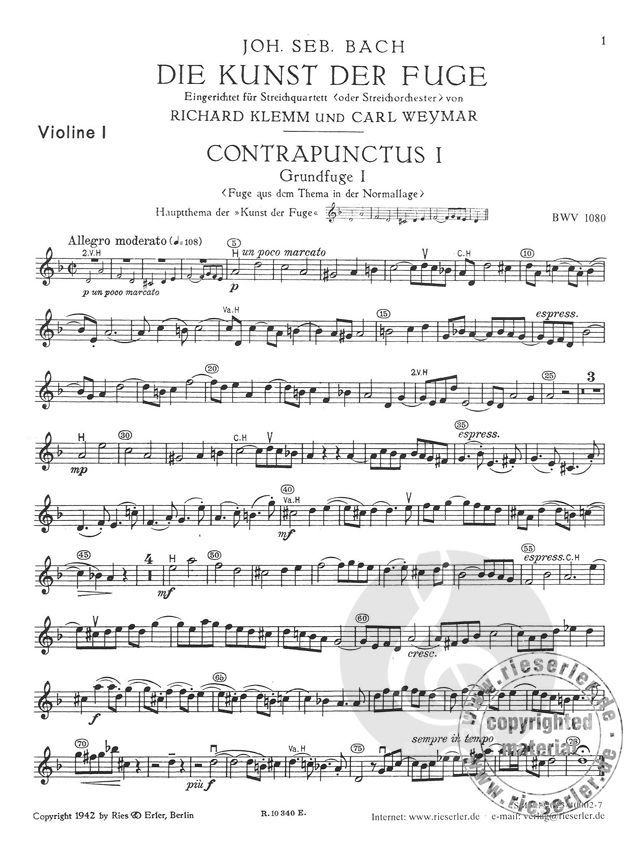
Johann Sebastian Bach
eingerichtet für Streichquartett oder Streichorchester
- quartetto d'archi (2 violini, viola e violoncello)
- set di parti
- Richard Klemm Carl Weymar
-
sarà spedito in 4-8 giorni lavorativi
- violoncello e pianoforte
- spartiti
-
disponibile
sarà spedito in 1-2 giorni lavorativi
Giuseppe Verdi
- quartetto d'archi (2 violini, viola e violoncello)
- set di parti (urtext)
-
disponibile
sarà spedito in 1-2 giorni lavorativi
- quartetto d'archi
- partitura e parti
-
disponibile
sarà spedito in 1-2 giorni lavorativi
The Beatles
- Quintetto d'Archi
- partitura e parti
- Larry Moore
-
disponibile
sarà spedito in 1-2 giorni lavorativi - Disponibile anche per il download!
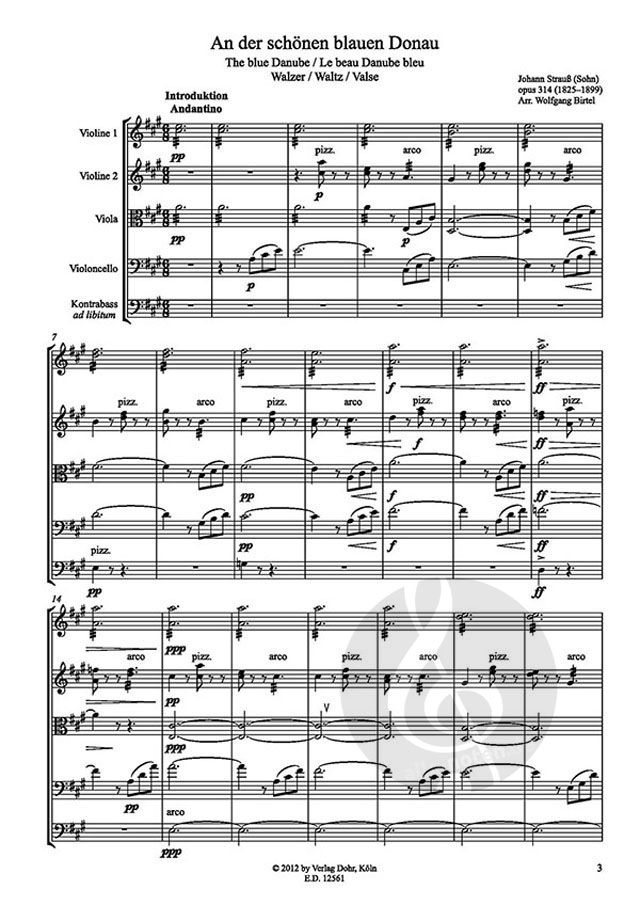
Johann Strauss (Sohn)
Walzer für Streichquartett und Kontrabass ad libitum (Der Musikalische Salon Vol. 71)
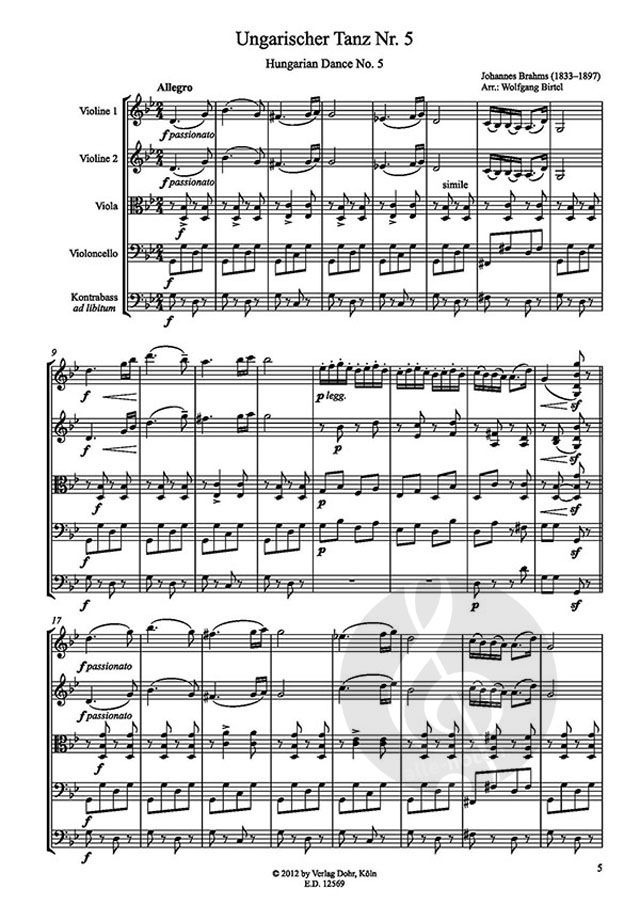
- quartetto d'archi (2 violini, viola e violoncello)
- partitura e parti
- Wolfgang Birtel
-
disponibile
sarà spedito in 1-2 giorni lavorativi
Felix Mendelssohn Bartholdy
- quartetto d'archi (2 violini, viola e violoncello)
- set di parti (urtext)
-
disponibile
sarà spedito in 1-2 giorni lavorativi
Luigi Boccherini
- Quintetto d'Archi
- spartiti
-
sarà spedito 2-4 settimani
- Disponibile anche per il download!

John Williams, Patrick Doyle, Nicholas Hooper, Alexandre Desplat
Complete Film Series
- violino
- spartiti e online audio
-
disponibile
sarà spedito in 1-2 giorni lavorativi



- Duetto di flauti
- spartiti
-
disponibile
sarà spedito in 1-2 giorni lavorativi - Disponibile anche per il download!