
Camille Saint-Saëns
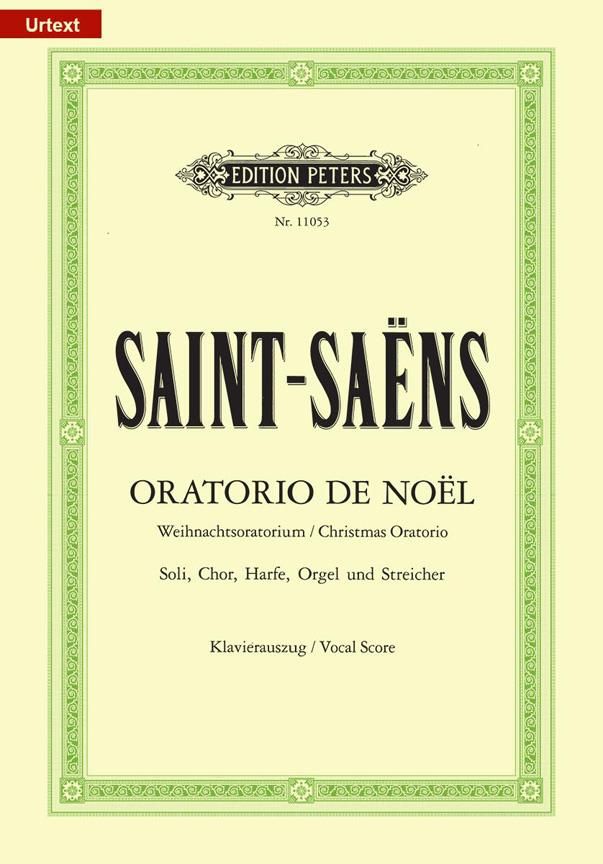
Oratorio de Noël op. 12
New Edition based on the Sources
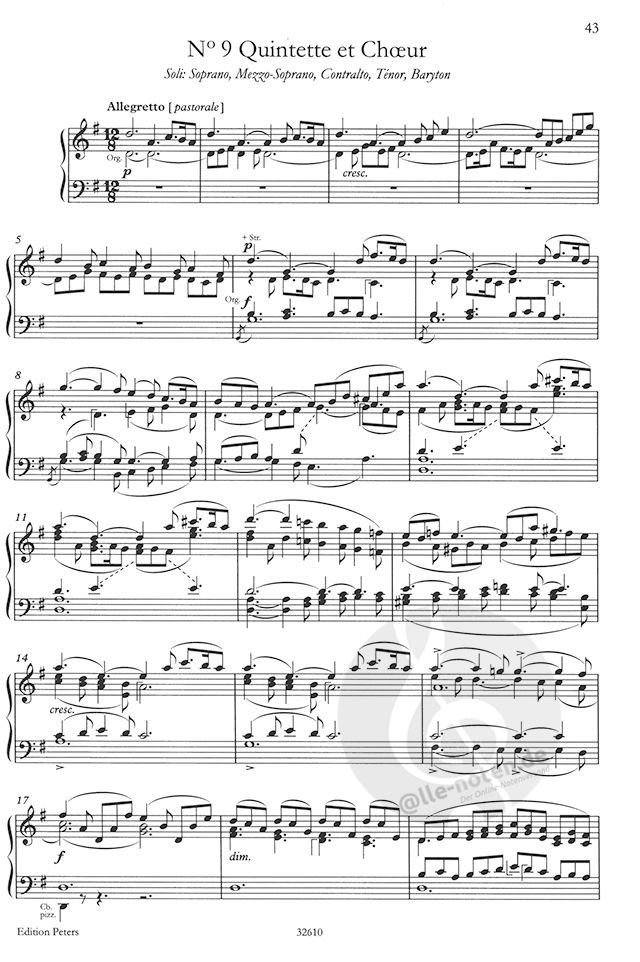
Camille Saint-Saëns
Oratorio de Noël op. 12
New Edition based on the Sources
- Formazione solisti, coro e pianoforte
- Compositore Camille Saint-Saëns
- Editore Edward Blakeman
- Edizione riduzione per pianoforte (urtext)
- Casa Editrice Edition Peters
- Numero d'ordine EP11053
 sarà spedito in 3-6 giorni lavorativi
IVA inclusa,
Escluse le spese di spedizione
Non disponibile in tutti i Paesi. Saperne di più

Descrizione:
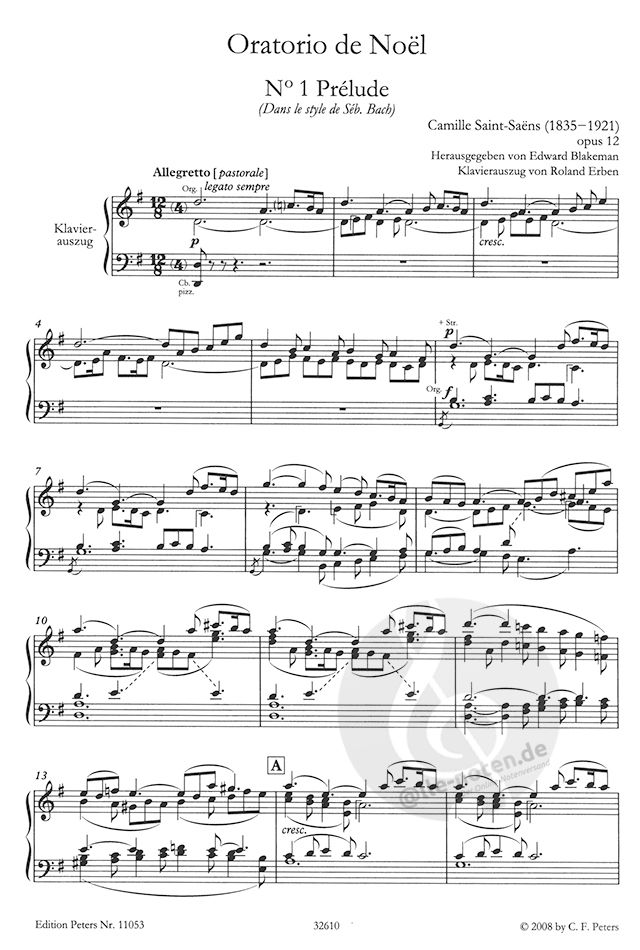
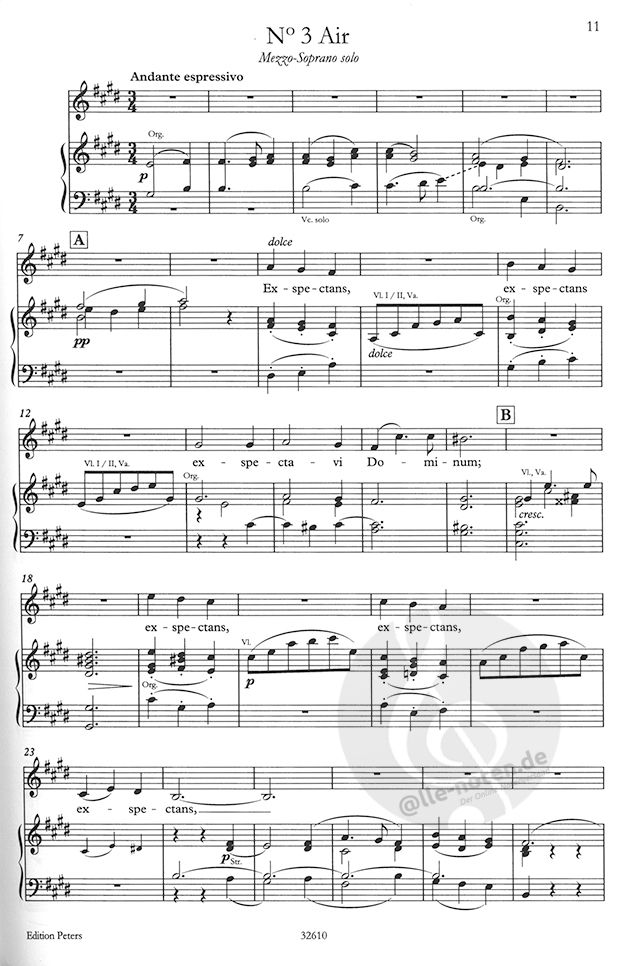
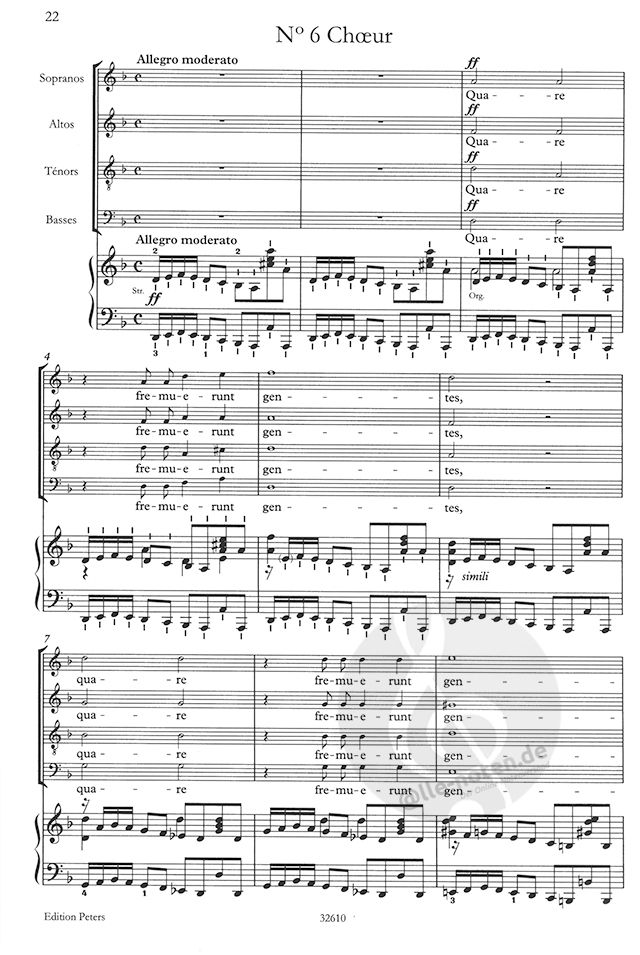
New Urtext Edition based on original sources by Edward Blakeman
Saint-Saëns was twenty-three when he wrote his Oratorio de Noël and it has all the freshness of a young composer eager to prove himself. He had been organist of the fashionable Church of the Madeleine in Paris for just a year - a prestigious position - and the Oratorio was a major undertaking for his second Christmas there. The work was written in just twelve days between 4 and 15 December 1858.
Despite Saint-Saëns's efforts in overseeing the publication of the Oratorio , it had various mistakes and omissions.
This new edition attempts to correct these, and by close comparison with the various manuscript sources to present the work for the first time in a form as close to possible to Saint-Saëns's intentions.
Where there are still ambiguities, square brackets have been used to indicate alternative or uncertain readings - in particular for the inclusion of extra details that somehow appeared in the printed edition after the preparation and correction of Saint-Saëns's final manuscript
Saint-Saëns was twenty-three when he wrote his Oratorio de Noël and it has all the freshness of a young composer eager to prove himself. He had been organist of the fashionable Church of the Madeleine in Paris for just a year - a prestigious position - and the Oratorio was a major undertaking for his second Christmas there. The work was written in just twelve days between 4 and 15 December 1858.
Despite Saint-Saëns's efforts in overseeing the publication of the Oratorio , it had various mistakes and omissions.
This new edition attempts to correct these, and by close comparison with the various manuscript sources to present the work for the first time in a form as close to possible to Saint-Saëns's intentions.
Where there are still ambiguities, square brackets have been used to indicate alternative or uncertain readings - in particular for the inclusion of extra details that somehow appeared in the printed edition after the preparation and correction of Saint-Saëns's final manuscript
I clienti hanno valutato questo prodotto:
Informazioni del Produttore:
Faber Peters Music Distribution
Talstr. 10
04103
Leipzig
Deutschland
Altri clienti hanno acquistato anche:

- Accessori musicali
- accessori
-
sarà spedito in 3-6 giorni lavorativi

- Accessori musicali
- accessori
-
sarà spedito in 3-6 giorni lavorativi
- solisti, coro misto (SATB) e orchestra di camera
- riduzione per pianoforte e partitura corale
-
disponibile
sarà spedito in 1-2 giorni lavorativi
Johann Strauss (Sohn)
- pianoforte e voce
- spartiti
-
sarà spedito in 2-5 giorni lavorativi