
Gabriel Fauré
Après un rêve op. 7/1
for Voice and Piano

Gabriel Fauré
Après un rêve op. 7/1
for Voice and Piano
- Formazione pianoforte e voce
- Edizione spartiti
- Compositore Gabriel Fauré
- Casa Editrice Edition Peters
- Editore Roger Nichols
- Numero d'ordine EP71902
IVA inclusa,
Escluse le spese di spedizione
 disponibile
|
sarà spedito in 1-2 giorni lavorativi
Descrizione:
Includes versions for High, Medium, or Low Voice (D minor, C minor and Bb minor)
Edited by Roger Nichols (based on the edition in The Art of French Song .
' The text for Après un rêve is by a friend of Fauré, Romain Bussine, a professor of singing at the Paris Conservatoire. It is loosely based on an anonymous Tuscan poem, and both texts were included when the song was published in 1878. The original key was C minor, but Fauré authorised a D minor transposition shortly afterwards. Despite the marking of Andantino,the tempo of the song has often been reduced to one of sentimental moping. But recordings of singers who worked with Fauré, including Claire Croiza and Charles Panzera, tell us that q = 66 is a minimum speed: this is a passionate, almost angry song. Although Fauré was insistent about maintaining tempi, some broadening does seem called for around the high note in bar 31, and possibly on the third 'reviens' in bars 42-43. If, in order to emphasise the last line, you make a break for the comma before 'ô nuit' in bar 43, therewill obviously be no liaison here; on the other hand, it might seem unduly fussy to observe the comma before 'ô nuit' in bar 35, especially if you also observe the comma in bar 36. The piano part should be richly pedaled, with a new pedal for each harmony. One of the joys of the song is that these are so irregularly placed - pianists, be aware! Also, in playing the B flat minor version, go gently on the low B flats in the last two bars.'
Roger Nichols
I clienti hanno valutato questo prodotto:
Spartiti dal 1969

Dal 1969, oltre 500.000 clienti si fidano di noi. Con un'enorme selezione di oltre 1.000.000 di spartiti, siamo uno dei più grandi fornitori in Europa. Grazie al nostro grande magazzino possiamo spesso spedire gli spartiti entro 24 ore. Qualsiasi spartito stiate cercando: siete nel posto giusto!
La vostra Stefanie Reichert
Responsabile del servizio clienti
Altri clienti hanno acquistato anche:

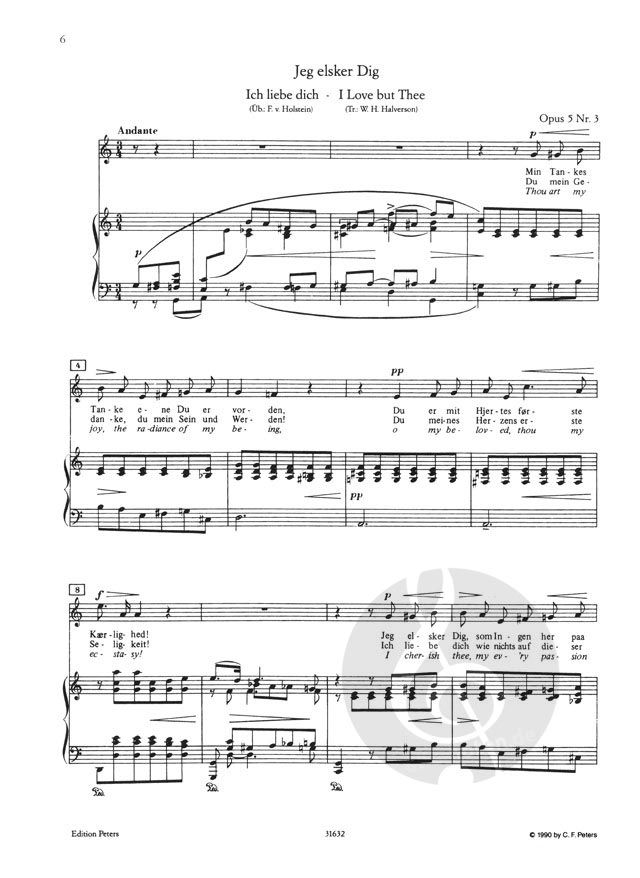
- canto (voce media) e pianoforte
- spartiti e cd
-
disponibile
|
sarà spedito in 1-2 giorni lavorativi

- canto (voce acuta) e pianoforte
- spartiti
-
disponibile
|
sarà spedito in 1-2 giorni lavorativi